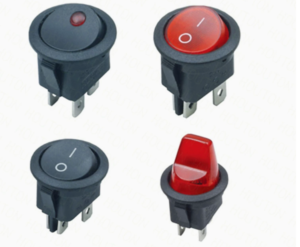
Smart Living with Integrated Proximity Switches.
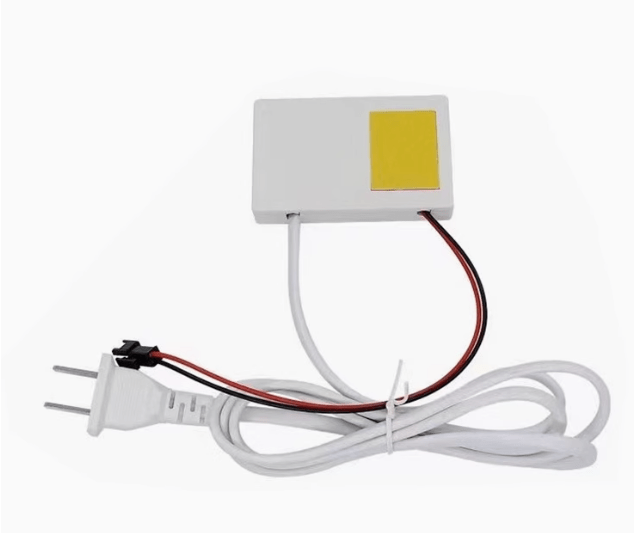
Explore how integrated proximity switches enable touchless control, enhance safety, and bring sleek, reliable automation to modern devices and smart spaces.
Want to learn more about our products? You can click me.
Smart Living with Integrated Proximity Switches
Imagine controlling a device without a single touch. Your hand simply approaches, and the action happens—a light turns on, a faucet starts flowing, or a screen awakens. This seamless interaction is the magic of modern integrated proximity switches. These compact sensors are revolutionizing how we interact with technology, making devices smarter, cleaner, and more intuitive. But what exactly are they, and why are they becoming essential in everything from kitchen appliances to industrial panels? Let’s explore the key features that make these switches a cornerstone of contemporary design.
Effortless and Hygienic Touchless Operation
The standout feature of an integrated proximity switch is its ability to sense the presence of an object or hand without physical contact. This touchless function is not just about convenience; it’s a major upgrade for hygiene and durability. In public restrooms, hospital equipment, or your own kitchen, you can activate functions without spreading germs or leaving fingerprints. Furthermore, because there’s no mechanical button to press, the switch face can be completely smooth and sealed. This design eliminates wear and tear from constant pushing, making the product last significantly longer and look impeccably sleek.
Robust Performance in Any Environment
A great product needs to work reliably where it’s installed. Modern integrated proximity sensors are engineered for resilience. They are typically housed in solid-state designs with sealed surfaces that resist dust, moisture, and even chemical splashes. This robust build means they perform consistently whether they’re inside a humid bathroom, on a factory floor with airborne particles, or in an outdoor kiosk facing the elements. You get dependable performance day in and day out, with minimal need for maintenance or cleaning, which is a huge advantage for both manufacturers and end-users.
Enabling Sleek and Modern Product Design
For designers and engineers, these switches are a dream component. Their non-contact nature allows for seamless, unbroken surfaces that are easy to clean and visually appealing. An integrated proximity switch can sit behind a panel of glass, plastic, or even wood, enabling invisible, responsive control zones that maintain the product’s aesthetic flow. This flexibility unlocks innovative designs, allowing for minimalist interfaces on smart home devices, streamlined control panels in automotive interiors, and elegant appliances that blend perfectly into modern living spaces.
Simplifying Integration and Boosting Safety
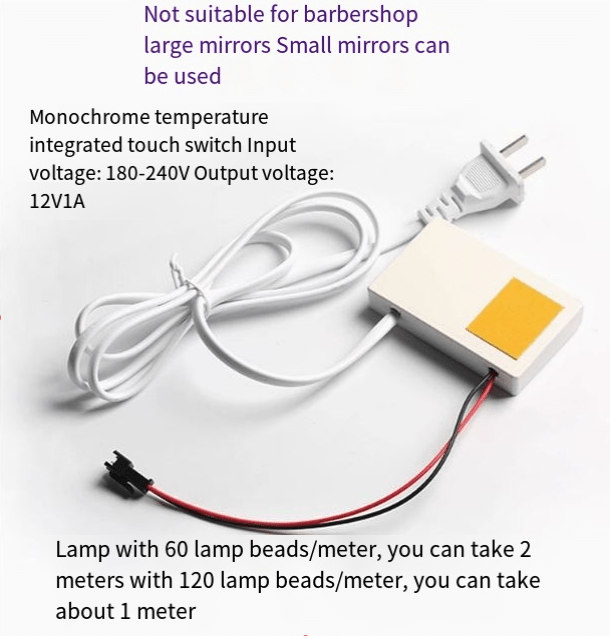
Finally, the “integrated” aspect is crucial. These sensors often come as complete, self-contained units that are easy for manufacturers to build into their products. This simplifies the assembly process. Beyond convenience, they also enhance safety in many applications. In industrial settings, a proximity sensor can act as a safety guard, stopping a machine if a hand gets too close to a dangerous area. In public venues, touchless operation reduces the risk of cross-contamination, creating safer environments for everyone.
In summary, integrated proximity switches are far more than a novelty. They represent a thoughtful convergence of hygiene, durability, elegant design, and reliable performance. As the demand for smarter, cleaner, and more intuitive technology grows, these versatile sensors are set to become the quiet, efficient backbone of our increasingly automated world, making everyday interactions simpler and more seamless.
Web:www.cnswitch.cn;
Tel/Fax: 0086-577-62840011
WhatsApp: 008613355775769
#Integrated Proximity Switches