How to Choose a Limit Switch for Automation.
Learn how to choose a limit switch for your automation needs. This guide covers actuator types, electrical specs, and environmental factors for reliable performance.
Want to learn more about our products? You can click me.
Introduction
Choosing the right limit switch for your machinery can feel confusing with so many options out there. But getting this decision right matters. A well-chosen switch prevents breakdowns, keeps workers safe, and ensures your equipment runs smoothly day after day. Let’s break down what you need to know to make the best choice.
Start with the Actuator Type
The actuator is the part of the switch that makes physical contact with your moving machinery. This is where your selection process should begin. Here are the common options:
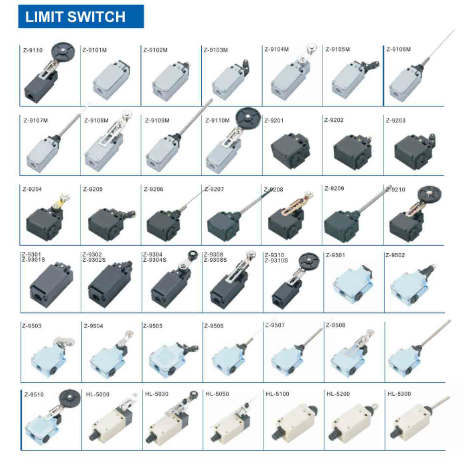
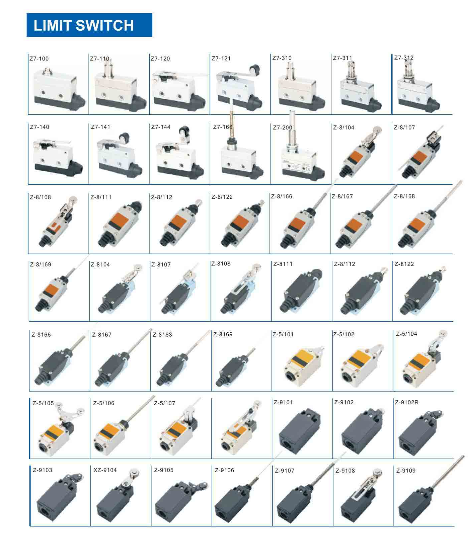
- Plunger actuators work best for slow-moving applications where the machine part pushes directly into the switch. They provide precise detection for short-stroke movements.
- Roller lever actuators handle higher speeds well. The roller reduces friction and wear, making them ideal for conveyors and cam-operated machinery.
- Wobble actuators detect motion from multiple directions. They work great for applications where the approach angle isn’t consistent.
When you choose a limit switch, match the actuator to your machine’s movement. This simple step prevents early failure and missed detections.
Consider the Electrical Requirements
Now it’s time to look at the electrical side. You need a switch that handles your system’s voltage and current. Most industrial limit switches work with a range of 24V DC up to 250V AC. Consider these factors:
- Contact configuration matters. Normally open (NO) or normally closed (NC) contacts determine how the switch behaves in its resting state.
- Contact rating needs to exceed your circuit’s requirements. Otherwise, you risk contact welding or premature failure.
Make sure you check your control circuit specs before you choose a limit switch. This prevents compatibility headaches later.
Evaluate the Environmental Conditions
The environment plays a huge role in switch longevity. You need to pick a switch that can handle what your facility throws at it. Here’s what to evaluate:
- Temperature extremes affect switch performance. Standard switches often work from -25°C to 70°C. Harsh environments might need specialized versions.
- Moisture and dust demand proper enclosure ratings. IP67 gives you dust-tight protection and water immersion resistance up to 1 meter. IP66 handles high-pressure washdowns.
- Chemicals and corrosion mean you should choose stainless steel or corrosion-resistant aluminum housings. Standard painted aluminum won’t last in chemical environments.
The right enclosure rating keeps your limit switch working when you choose a limit switch for demanding locations.
Factor in Mechanical Life and Durability
How long will your switch last? Look at the mechanical life rating. Quality limit switches offer over 10 million operations for mechanical life. Electrical life typically runs around 500,000 operations. Here’s the trade-off:
- Snap-action switches provide fast contact transfer but have shorter mechanical life.
- Slow-action switches last longer but transfer contacts more slowly.
Your application speed and frequency should guide this choice. Heavy cycling applications demand switches with higher mechanical life ratings.
Verify Safety and Compliance Standards
Don’t overlook certifications. For hazardous locations, you might need ATEX or IECEx approved switches. Most industrial applications require compliance with IEC 60947-5-1 standards. Check for these marks before you finalize your choice.
Conclusion
To choose a limit switch successfully, consider four factors: actuator type, electrical specs, environmental conditions, and mechanical life. When you choose a limit switch that matches these requirements, you get reliable operation and fewer unplanned stops. Take time to evaluate your application needs, and you’ll find the perfect switch for your machinery.
China Electronic Switch Co., Ltd.
Web:www.cnswitch.cn;
Tel/Fax: 0086-577-62840011
WhatsApp: 008613355775769
#Limit Switch for Automation #Limit Switch