Limit Switch Applications in Automation.
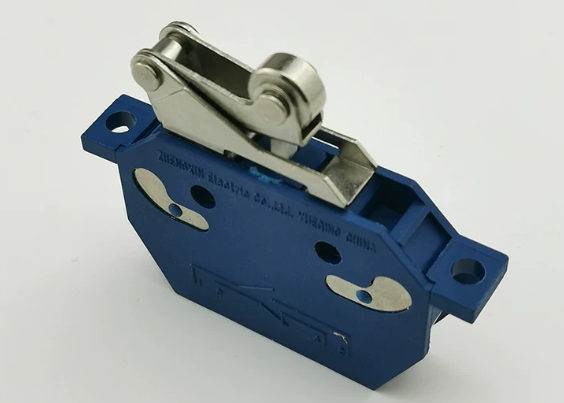
Explore real-world limit switch applications in conveyors, elevators, and safety gates. Learn how they detect position and boost reliability.
Want to learn more about our products? You can click me.
1. What Does a Limit Switch Actually Do?
Think of a limit switch as a simple watchdog. It senses when a moving part reaches a certain point. Then it sends a signal to stop, start, or change direction. No complicated code. No software crashes. Just a mechanical or solid-state device doing its job. You’ll find limit switch applications anywhere machines need to know their own position. They work in tough conditions where fancy sensors might fail. Dust, moisture, or vibration? No problem. A good limit switch keeps going.
2. Three Everyday Places You’ll See Limit Switches
First, conveyor systems. A box moves down the line. When it hits the limit switch, the system knows to divert it or stop the belt. This happens thousands of times a day in warehouses and factories.
Second, elevators and lifts. Ever wonder how an elevator knows when to stop at each floor? Limit switches. They detect the car’s position and cut power at the right moment. Safety relies on this simple action.
Third, overhead cranes and hoists. These machines move heavy loads. A limit switch prevents the hook from traveling too far up or down. No more cable snap or damaged pulleys. These limit switch applications protect both equipment and people.
3. Safety Gates and Guardrails
Here’s where limit switches really shine. Many machines have safety gates that must stay closed during operation. A limit switch mounts on the gate frame. When someone opens the gate, the switch instantly cuts power to the dangerous parts. No delay. No second chances. This meets basic safety standards in most countries. So limit switch applications in guarding systems save fingers, hands, and lives. That’s not marketing. That’s real machine safety.
4. Choosing the Right Limit Switch for Your Job
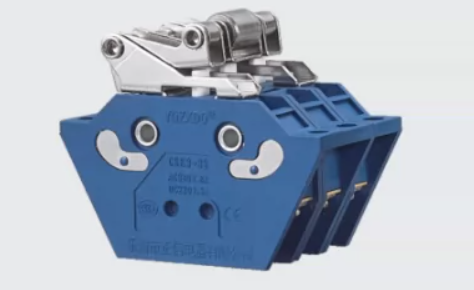
Not all limit switches are the same. You have snap-action switches for fast response. You have slow-break switches for higher current. You also have heavy-duty sealed types for outdoor or washdown environments. Check the actuation force and travel distance. A good match means fewer false triggers and longer life. Most limit switches handle millions of operations before they wear out. That’s why limit switch applications remain popular even with all the fancy new sensors on the market.
China Electronic Switch Co., Ltd.
Web:www.cnswitch.cn;
Tel/Fax: 0086-577-62840011
WhatsApp: 008613355775769
#limit switch applications #limit switch