How to Choose an Industrial Switching Power Supply.
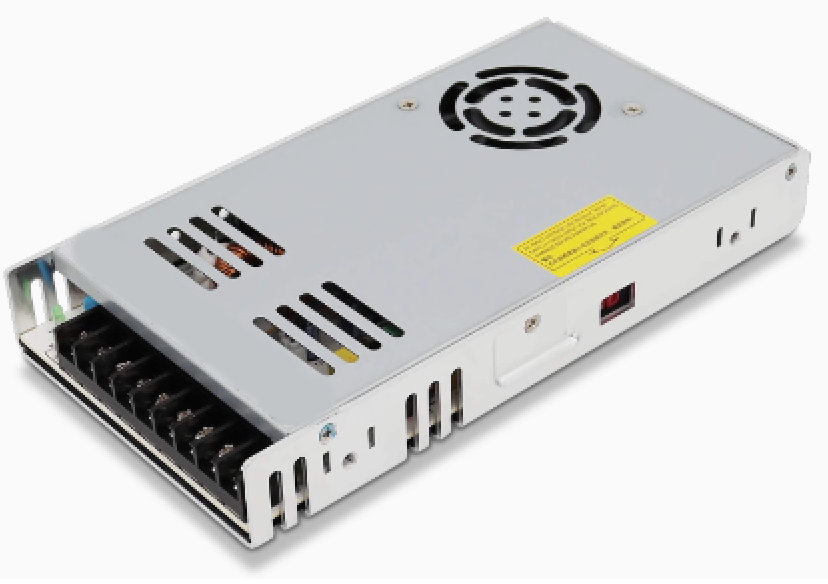
Find the right industrial switching power supply for your equipment. Learn about key specs like input range, protection features, and reliability factors.
Want to learn more about our products? You can click me.
How to Choose an Industrial Switching Power Supply
You need reliable power for your factory machines, control panels, or test equipment. That’s where a robust industrial switching power supply comes in. Unlike basic adapters, these units are built to deliver stable DC power in demanding environments. But with so many options, how do you pick the right one? Let’s break down the critical features you should consider to ensure your equipment runs smoothly and safely.
Key Specifications: Input Range and Output Power
First, you need to match the power supply to your electrical system and device. Check the AC input voltage range. A wide range (e.g., 85-264VAC) allows the same unit to operate globally without a manual switch, which is a huge advantage. Next, determine your DC output requirements. What voltage does your device need—12V, 24V, 48V? More importantly, calculate the total current (in Amps) all connected equipment draws. Always choose a power supply with a maximum output wattage that exceeds your total calculated load by 20-30%. This “headroom” prevents overloading and ensures a longer lifespan.
Critical Protection Features for Safety
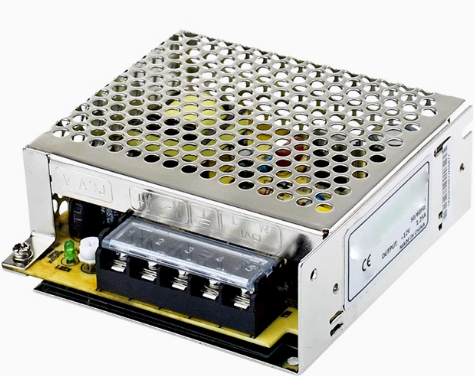
A quality industrial switching power supply doesn’t just convert power; it actively protects your investment. Essential safety features are non-negotiable. Overload protection (OPP) automatically limits output current if connected devices draw too much power. Short circuit protection (SCP) shuts down the output if a fault occurs, preventing damage. Overvoltage protection (OVP) guards your expensive downstream electronics by cutting off the DC output if the voltage spikes internally. For installations with sensitive electronics, look for models that also include surge protection on the AC input side.
Built for Tough Environments: Reliability Factors
Industrial settings can be harsh. Look for power supplies designed to handle these challenges. A high operating temperature rating (often up to 70°C) ensures stable performance in hot electrical cabinets. Conformal coating on the internal circuit board provides defense against dust, moisture, and corrosive contaminants. Furthermore, a metal housing offers superior durability and acts as a heat sink and shield against electromagnetic interference (EMI). These features collectively reduce failure rates and minimize downtime in your operation.
Certifications and Form Factor Considerations
Finally, don’t overlook compliance and physical fit. Recognized safety certifications—like UL, CE, or TUV—are your assurance that the product meets stringent international standards for electrical safety and EMC. Also, consider the form factor. Do you need a compact, DIN-rail mountable unit for a control panel, or a chassis-mounted type for an equipment rack? Choosing the right mechanical design from the start makes installation cleaner, easier, and more secure.
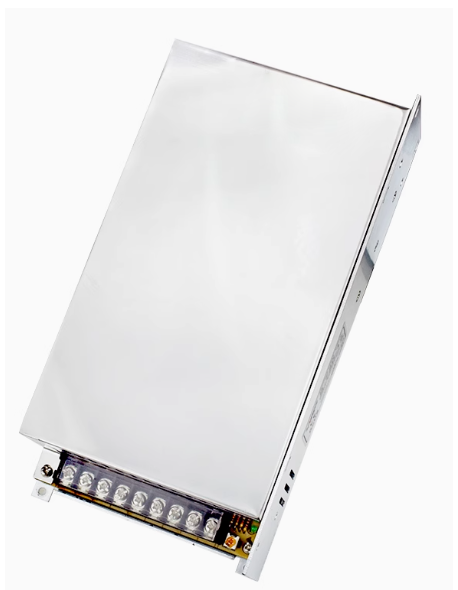
In summary, selecting the right industrial switching power supply requires looking beyond basic voltage matching. By carefully evaluating the input range, output capacity, protection circuits, environmental robustness, and necessary certifications, you can secure a reliable power foundation for your critical equipment. Taking this informed approach helps you avoid unexpected failures and ensures the long-term, stable operation of your entire system.
China Electronic Switch Co., Ltd.
Web:www.cnswitch.cn;
Tel/Fax: 0086-577-62840011
WhatsApp: 008613355775769
# Industrial Switching Power