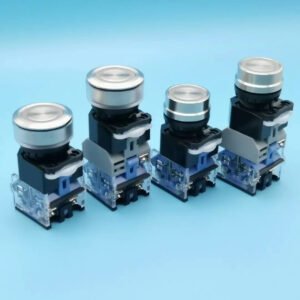
Emergency Stop Auxiliary Switches for Machine Safety.
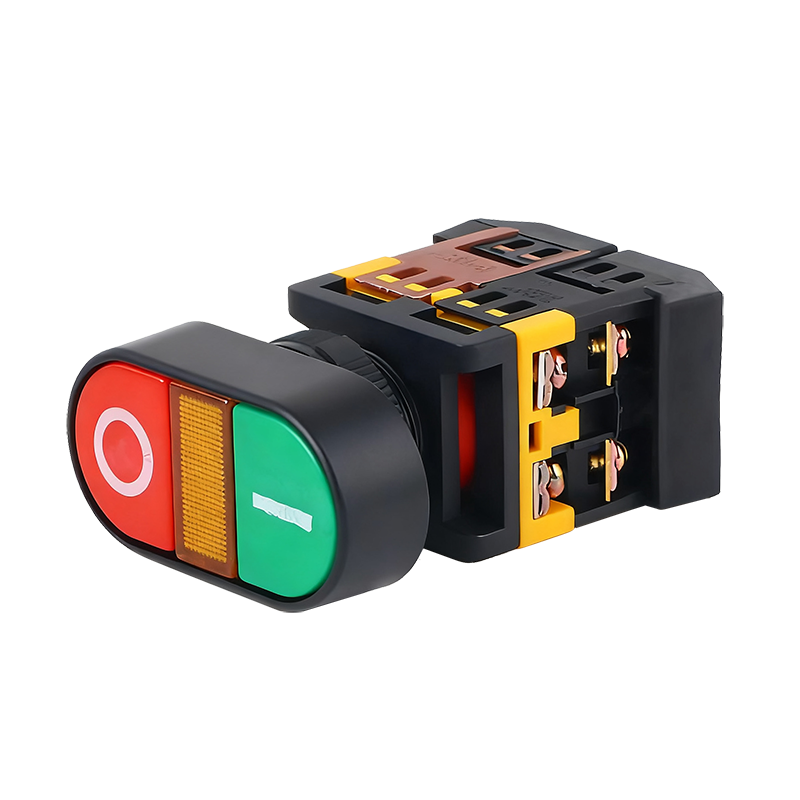
Explore emergency stop auxiliary switches for machine safety. Learn how these components enhance safety circuits and ensure reliable emergency stop signaling.
Want to learn more about our products? You can click me.
Introduction
Emergency stop systems are critical for protecting workers and equipment in industrial environments. The main emergency stop button provides the primary safety function. However, you often need additional signaling to control systems or safety relays. This is where emergency stop auxiliary switch come in. These devices are additional contact blocks that mount behind emergency stop buttons or safety switches. They provide extra electrical contacts that change state when the emergency stop activates . If your safety system requires reliable signaling or interlocking, emergency stop auxiliary switch deliver the performance you need.
How Emergency Stop Auxiliary Switches Work
Emergency stop auxiliary switch operate through direct mechanical connection to the emergency stop actuator. When you press the emergency stop button, the mechanical action transfers to the auxiliary switch. This action opens or closes additional electrical contacts simultaneously with the main contacts. Most auxiliary switches feature positive-opening contacts . Positive-opening means the switch mechanically forces the contacts open, even if they weld. This ensures reliable circuit interruption under fault conditions. You can configure auxiliary switches with normally open (NO) or normally closed (NC) contacts . Many models combine both contact types in a single unit. This allows for both safety circuit interruption and status signaling.
Key Features and Benefits
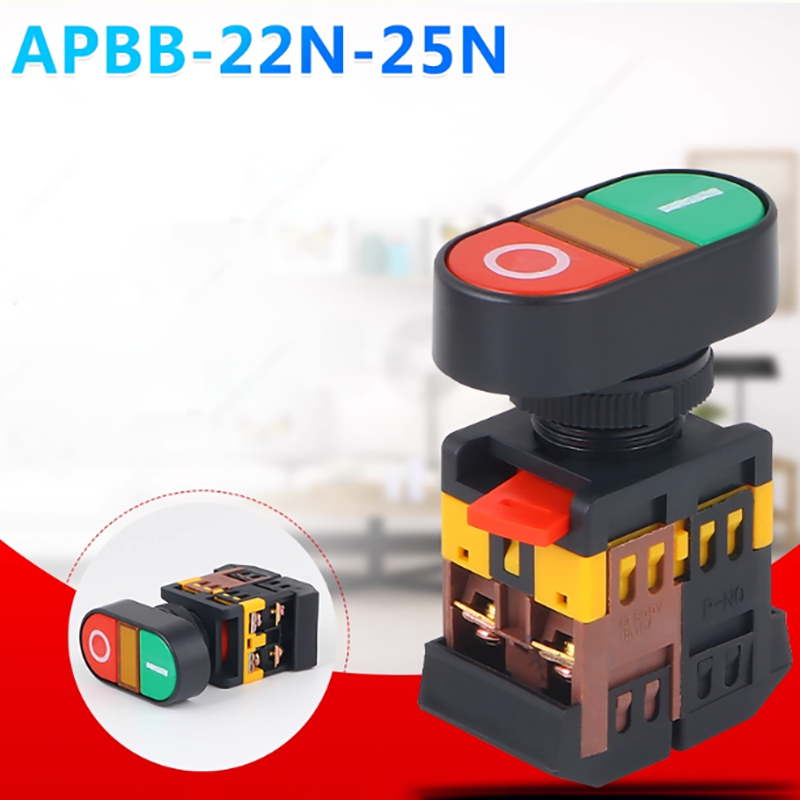
Emergency stop auxiliary switches provide several important features for safety applications. First, positive-opening contacts ensure reliable operation. The mechanical opening function prevents failure even with welded contacts. Second, flexible contact configurations suit different circuit needs. You can select 1NO+1NC or 2NC configurations . Third, standardized mounting ensures compatibility. Most auxiliary switches fit standard emergency stop buttons and safety switches . Fourth, robust electrical ratings handle various control circuits. Many models support up to 250V AC/DC and 3A or more. Fifth, environmental protection options include IP20 ratings for control cabinets or IP67 for washdown areas.
Benefits for Safety Systems
Adding auxiliary switches to emergency stop systems offers several advantages. First, you get redundant signaling. Auxiliary contacts provide a separate signal path to confirm the emergency stop activation. This adds redundancy and improves diagnostic capabilities . Second, you simplify system integration. You can use auxiliary contacts to trigger safety relays, PLC inputs, or alarm systems. Third, you enable safety interlocking. You can prevent machine restart until someone resets the emergency stop . Fourth, you support diagnostic monitoring. PLCs can detect and log emergency stop activations. Fifth, you reduce wiring complexity. Auxiliary switches eliminate the need for additional relays or contactors.
Common Applications
Emergency stop auxiliary switch serve many industrial applications. In conveyor systems, they provide end-of-line emergency stopping with PLC feedback. In packaging machinery, they interrupt control circuits and trigger alarms. In robotic cells, they integrate with safety controllers for zone monitoring. In material handling, they activate both mechanical brakes and electrical disconnection. In process equipment, they trigger emergency shutdown sequences. In crane and hoist applications, they provide both main contact and auxiliary signaling.
Selecting the Right Auxiliary Switch
Choosing the right emergency stop auxiliary switch requires careful evaluation. First, determine the required contact configuration. NC contacts are essential for safety circuits, while NO contacts suit signaling needs. Second, verify electrical ratings. Ensure contacts can handle your circuit’s voltage and current. Third, confirm compatibility with your existing emergency stop button. Most manufacturers provide compatibility guides. Fourth, consider environmental conditions. Choose sealed versions for wet or dusty areas. Fifth, verify standards compliance. Look for switches that meet IEC 60947-5-1 and EN 60947-5-5.
Conclusion
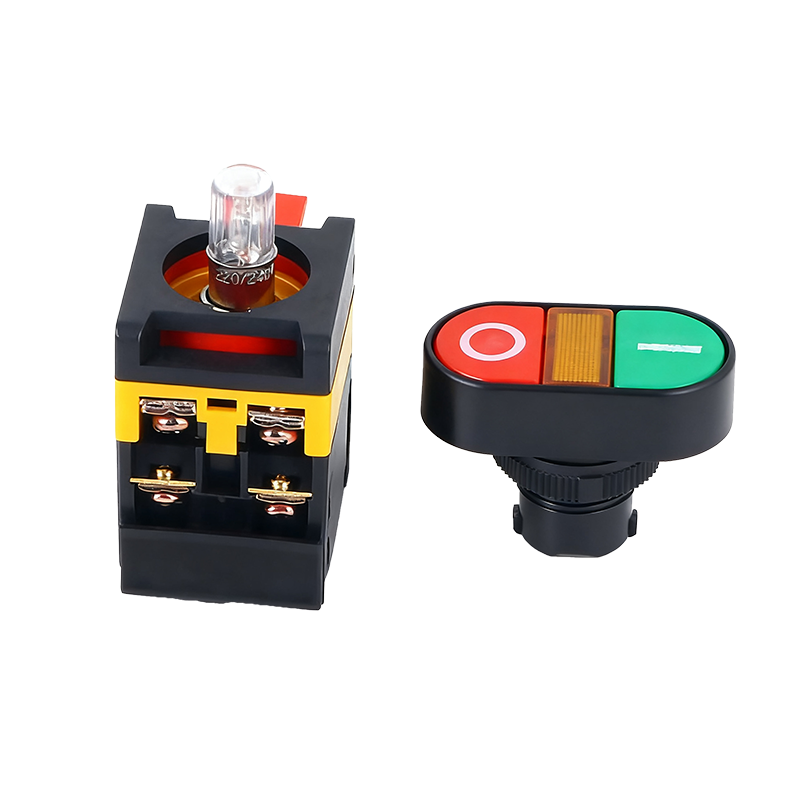
Emergency stop auxiliary switches provide essential signaling and interlocking functions in safety systems. Their positive-opening contacts and flexible configurations ensure reliable emergency stop signaling. When you need to integrate emergency stops with control systems, auxiliary switches deliver the performance you need. Choose the right contact configuration and ratings for your application. Protect your workers and equipment with reliable emergency stop signaling.
China Electronic Switch Co., Ltd.
Web:www.cnswitch.cn;
Tel/Fax: 0086-577-62840011
WhatsApp: 008613355775769
emergency stop auxiliary switches
machine safety
positive-opening contacts
safety circuits
IEC 60947-5-1
safety interlocking
signaling
control circuits
contact configuration
worker protection