Foot Switch Uses: Hands-Free Control for Machines.
Discover common foot switch uses in industrial, medical, and automotive settings. Learn how a durable foot switch improves safety and productivity.
Want to learn more about our products? You can click me.
What Makes a Foot Switch So Useful
A foot switch is simple. You press it with your foot, and it activates a machine. Release it, and the machine stops.
That straightforward action frees up your hands. This lets you focus on precise work while keeping the machine under control. Think about tasks like operating a drill press, controlling a sewing machine, or managing a medical device. In all these cases, a foot switch lets you work faster and safer because both hands stay on the workpiece.
Where You’ll Find Foot Switches in Action
Foot switches show up in more places than you might realize. They handle a wide range of tasks across different industries.
Industrial Manufacturing
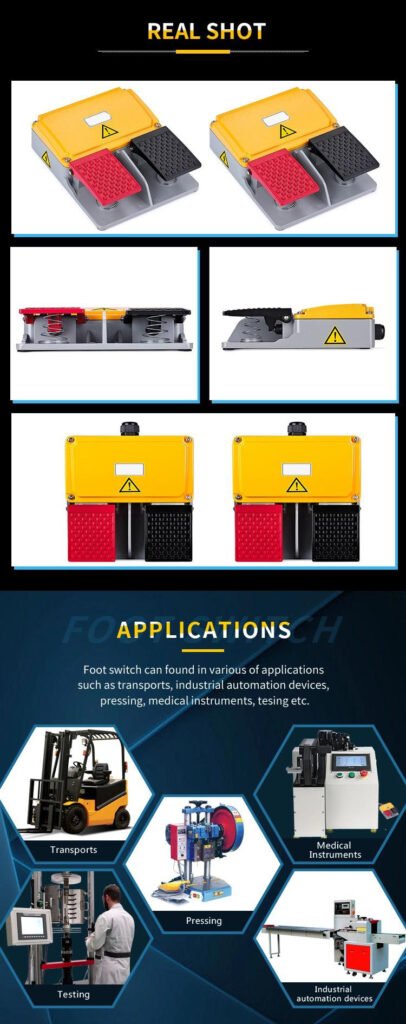
In factories, foot switches control punch presses, spot welders, and conveyor systems. The big advantage? Operators keep their hands clear of dangerous moving parts. A heavy-duty foot switch with a steel housing and non-slip base stands up to daily wear in rough environments.
Medical and Dental Equipment
Surgeons and dentists use foot switches to control drills, lights, and suction devices. The hands-free design keeps their hands sterile and focused on the patient. Sealed switches resist fluid spills and hold up to frequent cleaning.
Automotive Workshops
Mechanics rely on foot switches to run hydraulic lifts, tire changers, and parts washers. Many switches in this setting feature a momentary action, so the equipment only runs while the operator presses down.
Key Features of a Quality Foot Switch
Not all foot switches perform the same. The best ones share a few important traits:
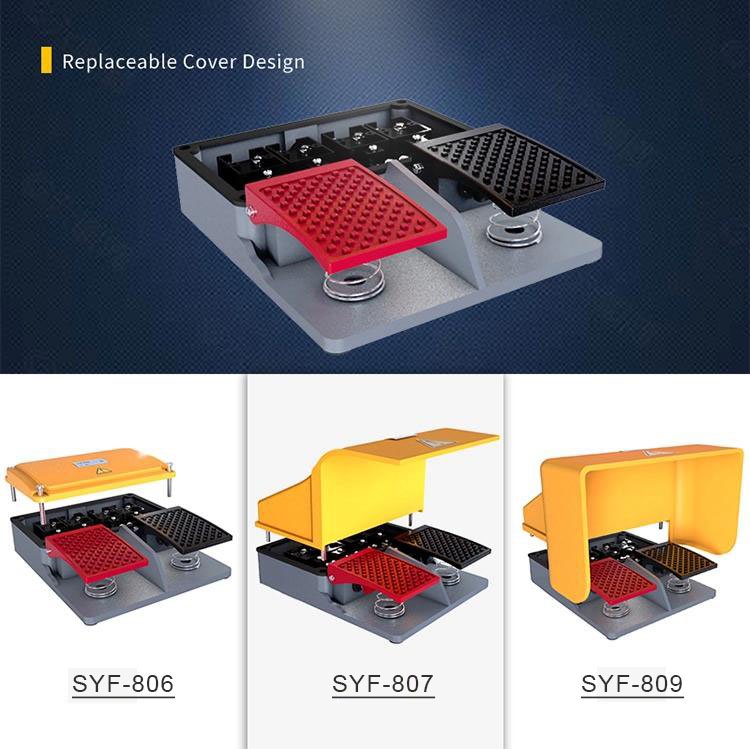
- Durable Construction: Heavy-duty models use die-cast aluminum or steel housings. These materials resist impacts and handle heavy use.
- Sealed Design: IP67 or IP68 ratings keep out dust and water. This makes them suitable for wet or dirty environments.
- Non-Slip Base: A rubber bottom keeps the switch from sliding across the floor during operation.
- Protective Guard: Many switches include a metal guard over the pedal. This prevents accidental activation from falling objects.
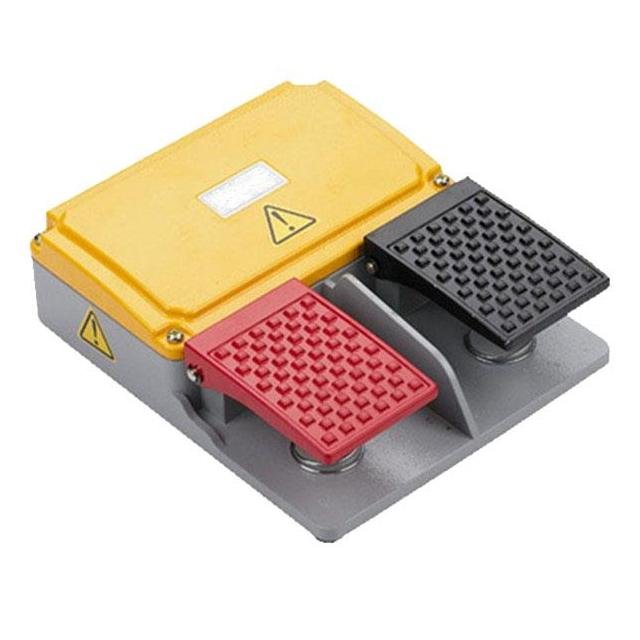
What to Consider When Choosing a Foot Switch
Picking the right foot switch means matching it to your specific needs. Keep these points in mind:
- Switch Action: Momentary switches activate only when you press down. Maintained switches stay on until you press again. Choose the one that fits your workflow.
- Electrical Rating: Check the voltage and current capacity. Make sure it handles your equipment’s power draw.
- Cable Length: Longer cables give you more flexibility in positioning the switch.
- Pressing Force: Some switches require more force to activate. Heavier force suits rugged applications, while lighter force reduces operator fatigue.
A well-chosen foot switch makes your equipment easier and safer to operate.
China Electronic Switch Co., Ltd.
Web:www.cnswitch.cn;
Tel/Fax: 0086-577-62840011
WhatsApp: 008613355775769